Desk boundary

Embroidery Machine For Sale Sourcing

Embroidery Machine For Sale Sourcing writes down a buyer requirement and asks factories to answer it. The desk is an independent sourcing partner. It is not the maker of the heads, it does not keep a showroom inventory, and it does not sign the buyer acceptance of a sewing field, a voltage, or a ship date.

The work starts when a business buyer can describe the stitch, the material, the quantity, and the destination, even if several mechanical details are still blank. Those blanks stay visible. Filling them with a catalog slogan would make later quotations look aligned when they are not.
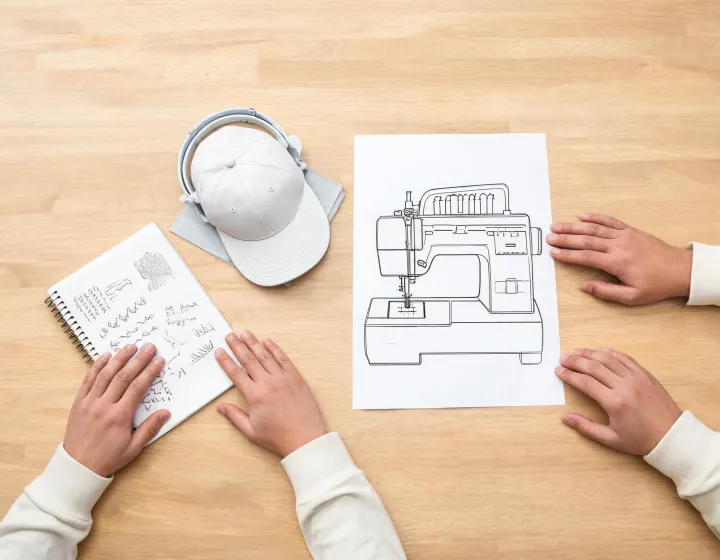
Buyer and sourcing desk reviewing an embroidery head drawing on a table

What the desk handles and what it leaves open

The columns below describe this service, not the contents of a machine quotation. A factory offer still needs its own included, excluded, and pending list on the services page.

The desk will do

  • Record stitch type, sewing material, head count, quantity, and destination in the buyer words.
  • Ask more than one factory to price that written configuration.
  • Point out missing currency, incoterm, crate, or commissioning lines.
  • Keep optional budget and supplier preference attached to the requirement text.

The desk will not claim

  • That a head fits a building, a cap, or a voltage before the proposed drawing is checked.
  • That a certificate, a test record, or a warranty belongs to this website.
  • That a factory is authorized, audited, or exclusive.
  • A savings figure, a lowest price, or a fixed reply time.

Still the buyer decision

  • Which specification deviation is acceptable.
  • Who approves input voltage, air, and floor loading.
  • Whether a factory acceptance test is required before shipment.
  • Final commercial approval of delivered cost.

Four roles, one shared sheet

Procurement, engineering, operations, and quality often ask different questions. The desk keeps them on one brief so a factory does not receive four conflicting descriptions of the same head.

Procurement

Owns quantity, destination, currency, and the optional budget basis. Procurement also decides whether the preference is high-end, mid-range, budget-friendly, or still open. That preference is not a score of the factory.

Engineering

Owns stitch type, sewing area in mm, needle and feed, control interface, and the utilities requirement. Engineering should mark which values are mandatory and which are still unknown.

Operations

Owns pieces per shift, thread-break response, service access around the heads, and the training hours operators actually need. Throughput figures stay tied to a named design stitch count.

Quality

Owns the evidence list: datasheet revision, drawing, inspection record, and any factory acceptance test. Quality also decides how a specification deviation must be written before an offer can be compared.

The handoff is the same document. When engineering changes the sewing field, procurement should see the change before factories are asked to reprice. The multi-needle scope page and the brief use that handoff.

Compare proposed quotation scope

After the roles agree on the sheet, send it here. Fees, freight, and timing are confirmed only inside the factory replies. Nothing on this page sets a market price or a countdown.